Why Beneficial Ownership Transparency Is Becoming Mandatory Across Africa
Learn why ownership transparency is becoming mandatory across Africa, how regulators enforce it, and how VOVE ID helps startups stay compliant.
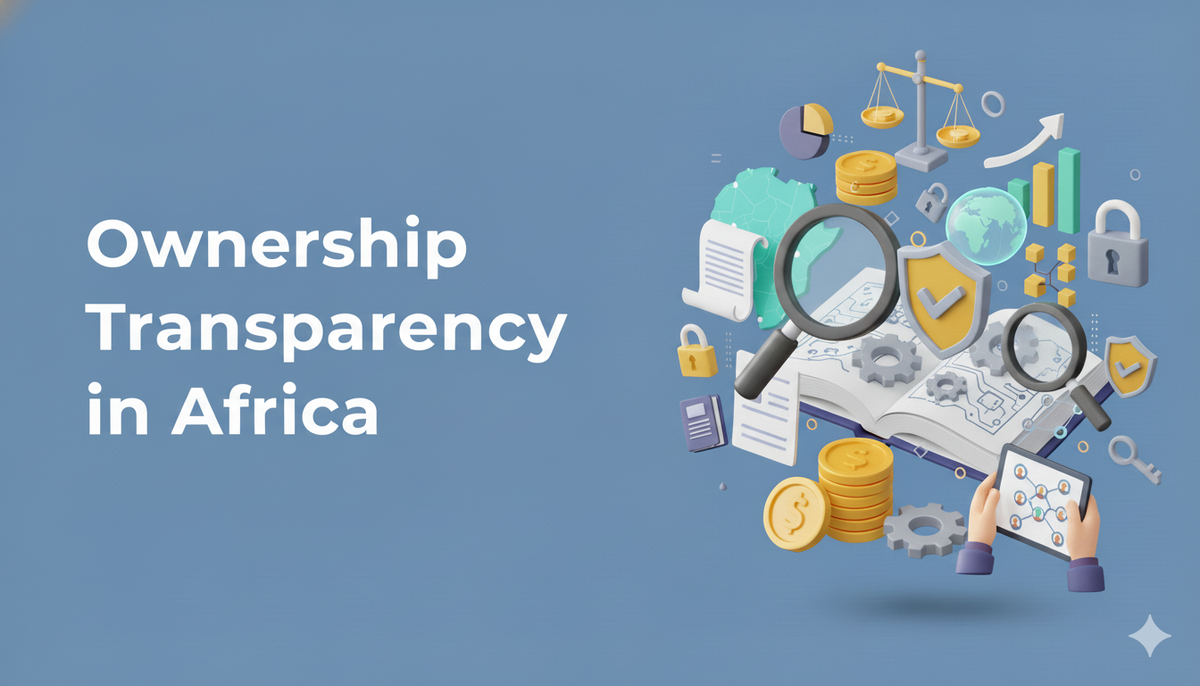
Beneficial ownership transparency, the requirement to identify the natural persons who ultimately own or control a company, has become a core regulatory expectation across the African continent. Rising FATF standards, domestic reforms, and stricter due diligence requirements from banks and investors have all accelerated this shift. For startups, fintechs, and any business operating cross-border, transparent ownership is no longer optional, it is a prerequisite for trust and compliance, and solutions like VOVE ID make it significantly easier to meet these expectations.
International standards shaping African reforms
The Financial Action Task Force continues to raise the bar for legal-entity transparency. Countries are expected to maintain accurate and up-to-date beneficial ownership information and ensure that competent authorities can access it quickly. Jurisdictions that fall short face reputational consequences, tighter monitoring, and risks to their international financial relationships. These pressures have pushed many African governments to update legislation, launch BO registers, and strengthen enforcement.
National reforms and ownership registers
Across Africa, the regulatory landscape is maturing at different speeds, but the direction is consistent. Several notable examples illustrate this:
• Kenya has implemented Beneficial Ownership Regulations with a 10 percent threshold for identifying persons with significant control. Companies must maintain ownership information and file it with the Registrar of Companies, creating a clear compliance obligation.
• Nigeria has introduced robust transparency requirements through CAMA reforms and the Persons with Significant Control regime, using a 5 percent threshold. Since late 2025, the Corporate Affairs Commission has intensified enforcement, issuing administrative penalties and even striking off companies that fail to disclose beneficial owners. This marks one of the region’s strongest enforcement actions to date.
• South Africa has been rolling out a central Beneficial Ownership Register since 2023. The system has continued to evolve through 2024 and 2025, and while it represents a major step toward transparency, many companies and compliance officers still report challenges with data accuracy, filing consistency, and updates. The direction of travel is clear, but implementation is still maturing.
• Ghana has strengthened beneficial ownership rules and continues to refine procedures for collecting and sharing ownership information, balancing transparency with data protection requirements.
These developments show that African regulators are not only setting rules but also building the institutional infrastructure needed to make ownership transparency practical and enforceable.
Quick comparison of BO disclosure thresholds
Readers often benefit from simple side-by-side comparisons. Below is a concise overview of beneficial ownership thresholds in key markets:
| Country | Threshold for Significant Control | Notes |
|---|---|---|
| Kenya | 10 percent | Mandatory filing with Registrar of Companies |
| Nigeria | 5 percent | Active enforcement and company strike-offs for non-compliance |
| South Africa | 5 percent | Register rolled out since 2023 with ongoing improvements |
| Ghana | Typically 20–25 percent depending on entity type | Thresholds can vary based on sectoral rules |
Why regulators are tightening BO laws
Several factors explain the continent-wide push toward transparency:
- Reducing financial crime risks. Clear ownership structures help authorities trace illicit funds, uncover shell companies, and prevent corruption.
- Aligning with FATF evaluations. Countries with stronger BO regimes perform better in mutual evaluations and avoid negative listings that can damage investor confidence.
- Facilitating access to banking and investment. Banks, fintech partners, and institutional investors now request verified BO information before onboarding clients or approving cross-border transactions.
- Enhancing tax and corporate oversight. Accurate ownership data supports tax enforcement, regulatory supervision, and sector licensing.
Impact on startups and SMEs
For early-stage companies, the operational impact is significant. Inaccurate or missing ownership information can delay bank onboarding, halt investor due-diligence checks, or trigger administrative penalties. This is especially important for fintechs, digital-wallet startups, and companies operating across borders, where counterparties expect clarity and verifiable records.
Startups with evolving cap tables must maintain clear records of every change in ownership, collect verified identity documents for each beneficial owner, and ensure timely filings with local authorities.
The role of technology in beneficial ownership compliance
As BO rules expand, manual spreadsheets and informal document exchanges are no longer sufficient. Companies increasingly rely on tools that offer automated identity verification, corporate registry checks, secure document capture, and audit-ready storage.
A streamlined system helps founders and compliance leads:
• verify shareholders and controllers during onboarding
• track ownership changes throughout investment rounds
• maintain accurate records for annual filings
• provide authorities with compliant documentation on request
Technology reduces the risk of errors and supports the level of reliability regulators now expect across the continent.
Balancing transparency with privacy
African countries are adopting different approaches to data access. Some allow public access to limited BO information, while others restrict full details to competent authorities or parties with a legitimate interest. For businesses operating across multiple jurisdictions, flexibility is essential. Internal systems must adapt to varied access rights, retention rules, and reporting formats.
What companies should do now
• Map all natural persons who meet beneficial ownership thresholds.
• Collect and verify identity documents for each owner.
• Integrate BO checks into onboarding and cap table management.
• Use technology designed for secure storage and auditable records.
• Monitor regulatory updates, especially in countries with active enforcement such as Nigeria.
Conclusion
Beneficial ownership transparency is becoming a continental standard and a business-critical requirement. Companies that invest early in accurate ownership records, reliable verification, and structured reporting processes will navigate compliance with less friction and build stronger trust with partners, regulators, and investors.
VOVE ID helps teams meet these transparency expectations from the first onboarding check, offering verification and secure workflows that make beneficial ownership compliance easier and audit-ready.
If your team needs a faster and more reliable way to collect and verify ownership information, explore how VOVE ID can streamline compliance and keep your business audit-ready.