KYC
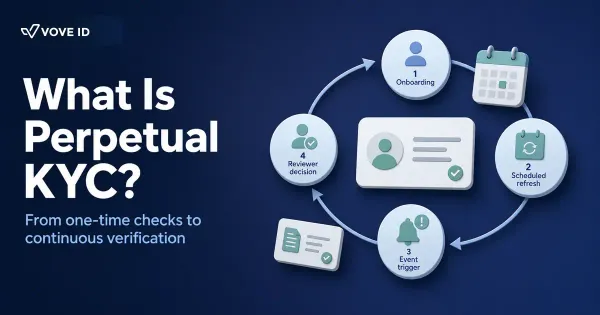
What Is Perpetual KYC? From One-Time Checks to Continuous Verification
One-time KYC verifies a moment in time. Perpetual KYC keeps that evidence current — here's how scheduled and event-driven reviews actually work.

KYC
One-time KYC verifies a moment in time. Perpetual KYC keeps that evidence current — here's how scheduled and event-driven reviews actually work.
KYC
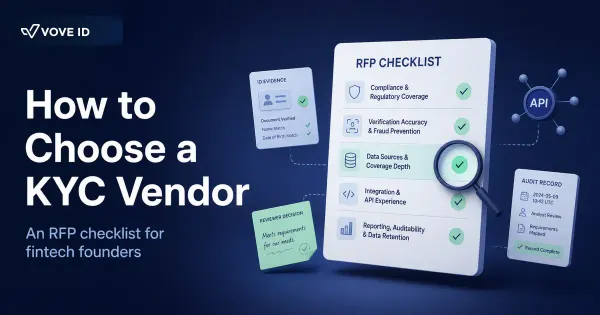
Most KYC vendor selections fail on the exception path, not the demo. This RFP checklist shows founders what to actually ask before signing.
KYC
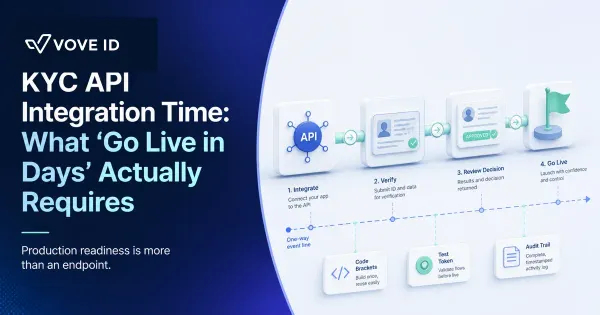
Connecting a KYC API is not the same as being production-ready. Here's the planning work behind a safe go-live, not just an endpoint.
AML
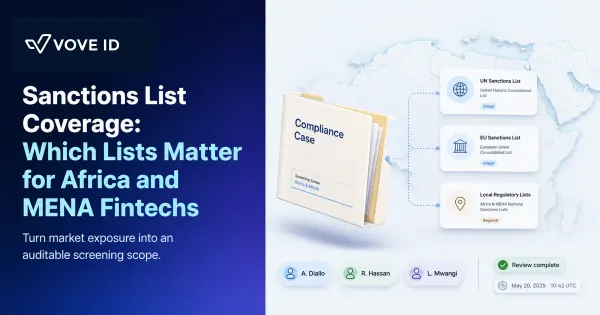
A "global sanctions list" isn't an operating rule — here's how to map exposure and document which official lists actually apply to a relationship.
AML
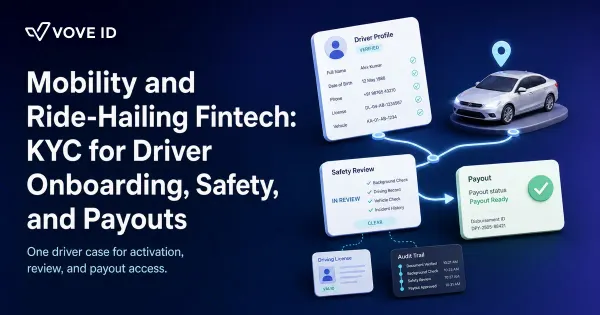
Driver KYC isn't a one-time gate — it's the case record that keeps identity, safety review, and payout access in sync as a driver's account changes state.
Compliance
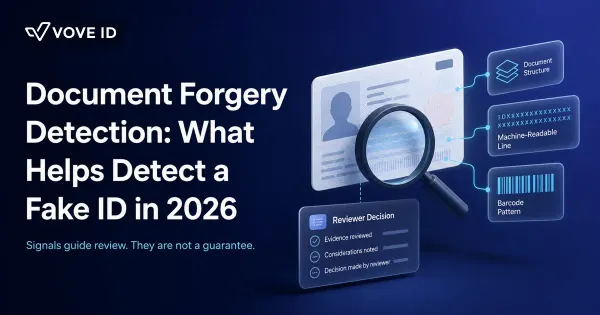
A document check is a signal for a reviewer, not a verdict on a person. Here's what forgery-detection signals actually establish, and what they don't.
AML
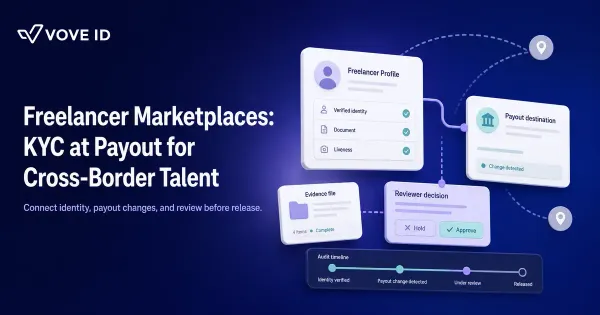
A verified worker isn't a fixed payout destination — here's how marketplaces review a changed payout method before releasing funds on an established account.
AML
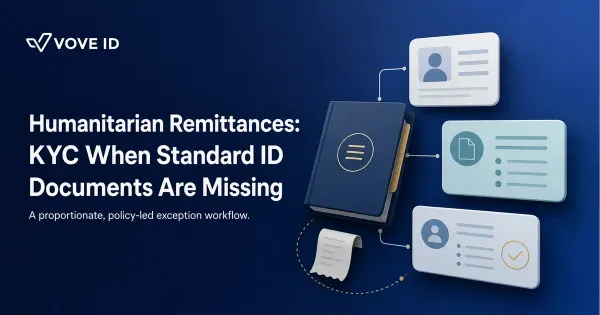
When standard ID is missing, humanitarian teams need a documented, policy-led way to decide what evidence counts — not an unrecorded workaround.
KYC
A copied or replayed selfie can pass a simple face match. Here is how liveness and face matching close that gap.
Fintech
Teams keep asking for one KYC speed number. The real benchmark is three separate clocks, not a single average.
AML
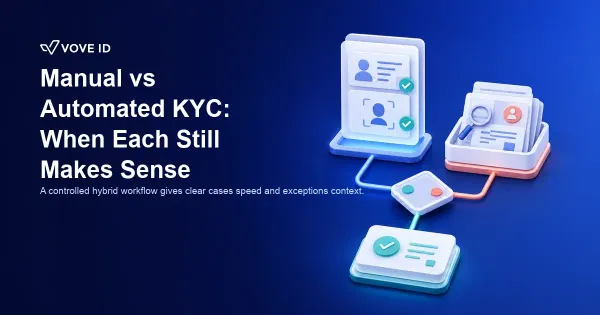
Automation and manual review are not competitors. Here is how to design the hand-off so exceptions never disappear into an inbox.
Fintech
A high uptime number does not tell you if your onboarding flow will behave as expected. Here is what to ask before you sign.