Ensuring KYC Compliance in Ethiopia: A Practical Guide
Master KYC Ethiopia with VOVE ID’s AI-powered eKYC. Ensure AML compliance, secure onboarding, and thrive in Ethiopia’s $126B digital economy. Book a demo!
Ethiopia’s Digital Shift and the Need for KYC
Ethiopia, home to over 120 million people and a GDP of $126 billion in 2023, is undergoing a digital transformation, propelled by mobile banking and e-commerce under Proclamation No. 1205/2020. This growth underscores the importance of KYC in Ethiopia, a process vital for identity verification in Ethiopia and adherence to Anti-Money Laundering (AML) compliance Ethiopia regulations overseen by the Ethiopian Financial Intelligence Center (EFIC). AI-powered platforms like VOVE ID help simplify KYC compliance Ethiopia, ensuring secure onboarding in an evolving market.
Why KYC Is Essential
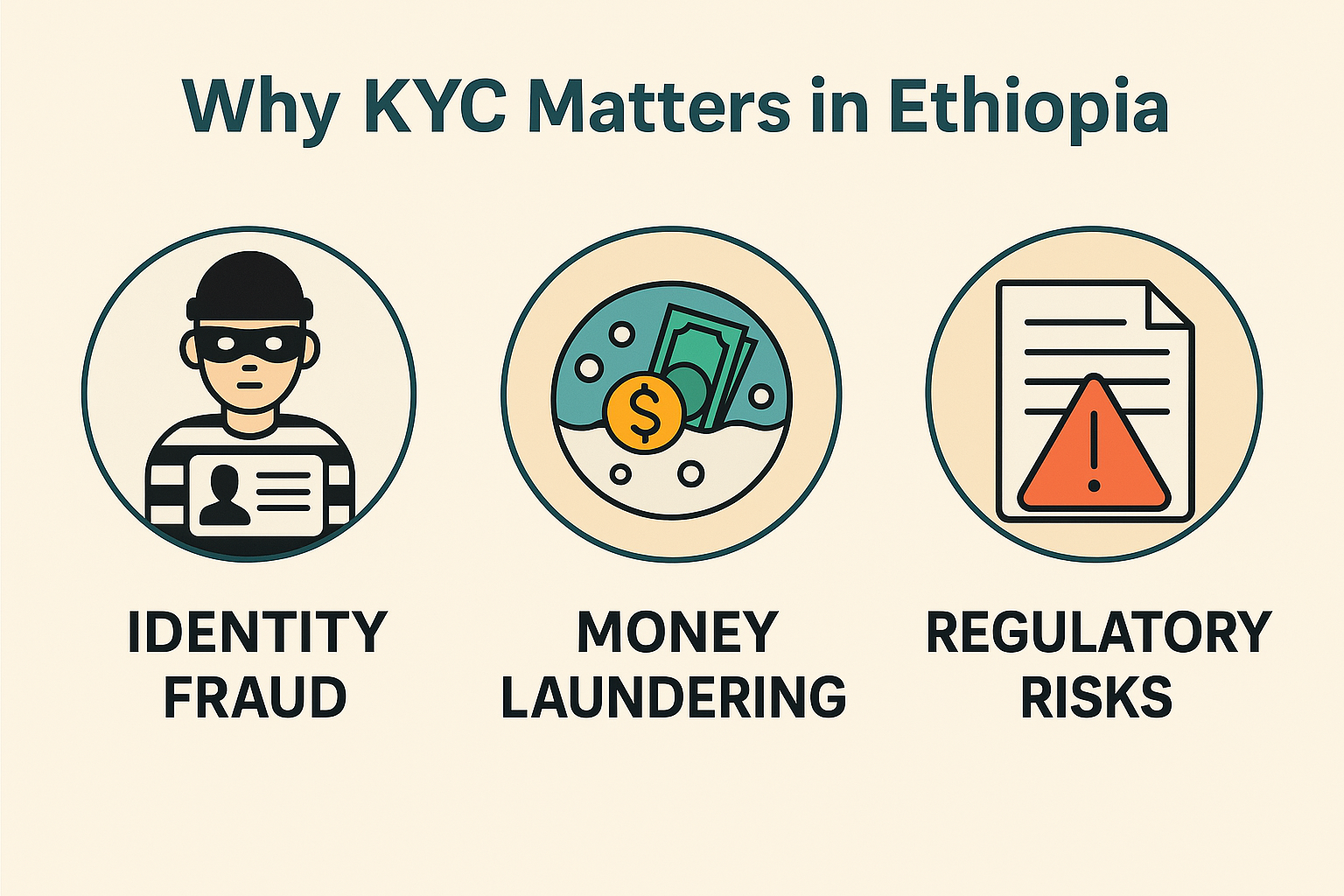
KYC safeguards Ethiopia’s financial ecosystem by tackling:
- Identity Fraud: Stolen IDs from breaches enable impersonation, biometric tools verify genuine users.
- Money Laundering: Unverified accounts conceal illicit funds, risking EFIC scrutiny.
- Regulatory Fines: Non-compliance with Proclamation No. 780/2013 carries penalties, up to 10 million birr, as seen in a 2023 bank case.
Advanced fraud detection tools ensure operations remain compliant and secure, supporting Ethiopia’s economic ambitions.
KYC in Action: A Local Perspective
Consider a fintech onboarding merchants in Addis Ababa. It must verify identities and monitor transactions exceeding 200,000 birr (~$10,000 USD), common in urban trade but tricky with rural customers lacking IDs. Mobile electronic KYC (eKYC) bridges this gap, using selfies and real-time checks to maintain AML compliance Ethiopia, a critical step as Ethiopia’s National ID program scales up.
Core KYC Requirements
To meet KYC Ethiopia standards, businesses need:
- Identity Proof: National ID or passport, AI scans detect tampering in microtext or seals.
- Address Verification: Utility bills or residence cards confirm residency.
- Enhanced Checks: Politically Exposed Persons (PEPs) require senior approval, per EFIC rules.
- Transaction Reporting: Transactions over 200,000 birr (~$10,000 USD), whether single or cumulative over a short period, may trigger EFIC reporting obligations.
Implementing KYC: Key Steps
Effective identity verification Ethiopia involves:
- Data Collection: Gather name, ID number, and address details.
- Verification: OCR extracts data, cross-referencing Ethiopia’s National ID or passport records, platforms like VOVE ID achieve 95% first-try accuracy.
- Risk Screening: Review EFIC sanctions, PEP lists, and adverse media for ties to financial crime.
- Ongoing Monitoring: Track transaction patterns to ensure compliance over time.
Technology’s Role in KYC
Ethiopia’s digital economy leverages eKYC:
- Speed: Facial recognition and liveness checks verify users instantly.
- Accuracy: AI identifies forged IDs, biometrics confirm the real person.
- Efficiency: Reusable profiles, synced with systems like the Ethiopian Revenue Authority (ERA), streamline onboarding, a “verify once, use everywhere” approach.
This aligns with Ethiopia’s goal of full National ID coverage by 2030.
Regulatory Landscape
Proclamation No. 780/2013, updated by Proclamation No. 1176/2020, drives KYC compliance Ethiopia. EFIC’s oversight intensified post-2021 U.S. sanctions (Executive Order 14046), with a senior official noting in 2023, “Robust KYC is non-negotiable for financial stability.” Ethiopia follows Eastern and Southern Africa Anti-Money Laundering Group (ESAAMLG) standards, screening against United Nations Security Council (UNSC) lists.
Overcoming KYC Hurdles
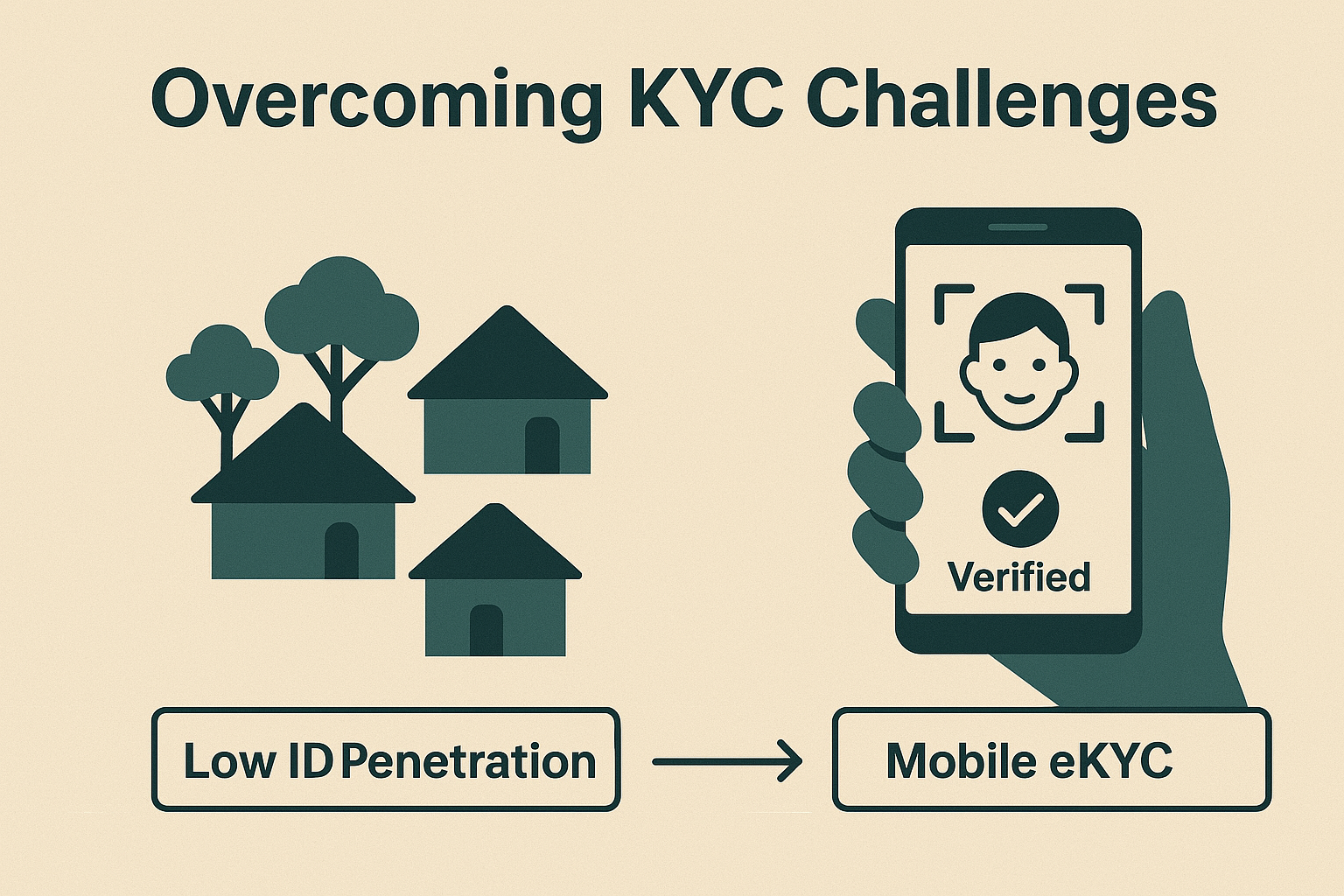
Challenges persist:
- ID Access: Rural areas lag, mobile eKYC with selfie verification helps.
- Fraud Risks: Forged IDs abound, AI and biometrics counter these threats.
- Data Rules: Under Ethiopia’s emerging data protection framework, user consent is expected, compliance is key as policies formalize.
Benefits of Strong KYC
Mastering KYC Ethiopia delivers:
- Trust: Verified customers enhance credibility in trade hubs.
- Growth: Fast KYC supports $3.3 billion in 2023 FDI.
- Security: Protection from fraud strengthens stability.
Boost Your KYC with VOVE ID
Ready to master identity verification in Ethiopia? VOVE ID’s AI-powered KYC and biometric authentication offer real-time solutions across 190+ countries, tailored for Ethiopia’s needs. Contact us at to schedule a demo and elevate your compliance.
This article is intended for general informational purposes only and does not constitute legal, financial, or regulatory advice. KYC requirements may vary depending on jurisdiction, industry, and specific business circumstances. For up-to-date and binding compliance obligations, readers should refer to the relevant regulatory authorities or consult qualified professionals.