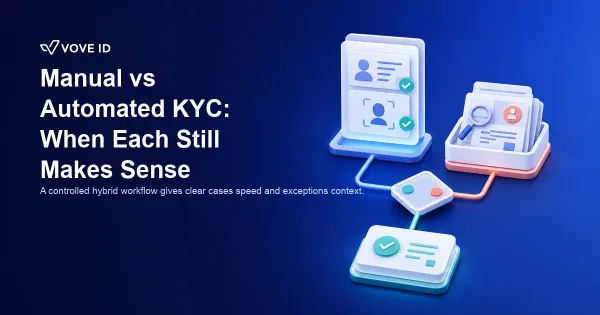
AML
Manual vs Automated KYC: When Each Still Makes Sense
Automation and manual review are not competitors. Here is how to design the hand-off so exceptions never disappear into an inbox.

AML
Automation and manual review are not competitors. Here is how to design the hand-off so exceptions never disappear into an inbox.

Fintech
A high uptime number does not tell you if your onboarding flow will behave as expected. Here is what to ask before you sign.
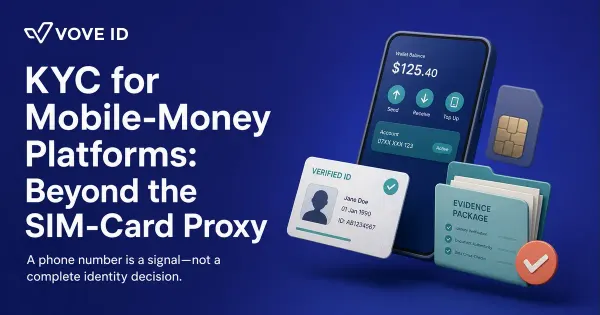
AML
A phone number is a signal, not proof of identity. Here is how mobile-money platforms build a KYC workflow that doesn't stop at the SIM record.
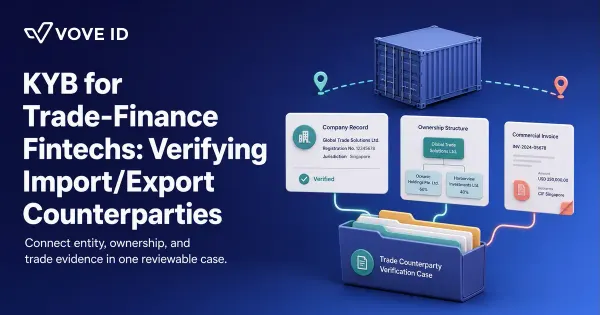
AML
A clean registration document is where a trade-finance case starts, not where it ends. Here is how to keep entity, ownership, and trade context connected.
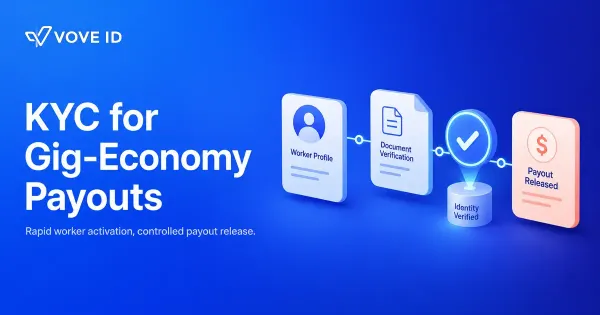
AML
A verified ID is not enough to release a payout. Here is how gig platforms keep worker identity, payout destination, and exceptions connected.
AML
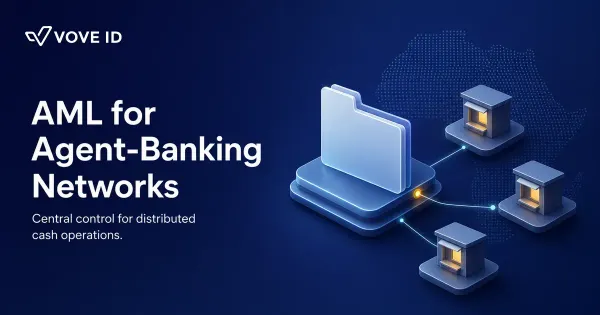
A distributed cash-agent network needs one operating model, not scattered checks. Here is how principals keep control after agents go live.
AML
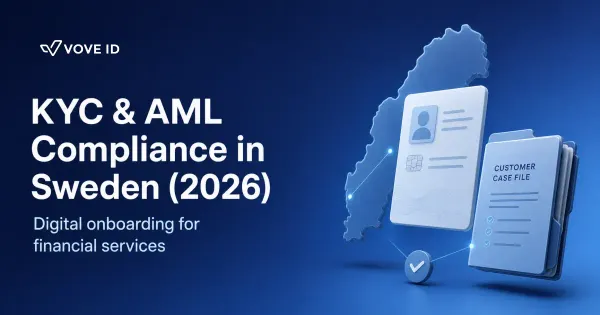
Automated onboarding can pass every check and still fail the case file. Here is how Swedish fintechs keep the relationship explainable.
AML
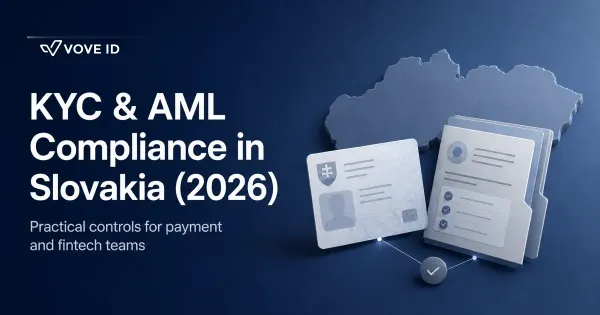
A clean identity check is not a case file. Here is how Slovak payment and fintech teams keep evidence, risk, and review connected.
AML
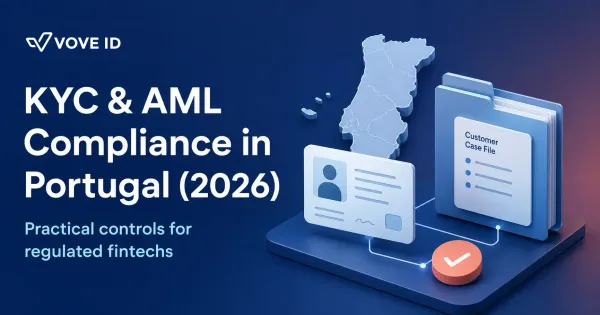
A Portuguese customer can pass onboarding and still leave the relationship, risk logic, and next action unexplained.
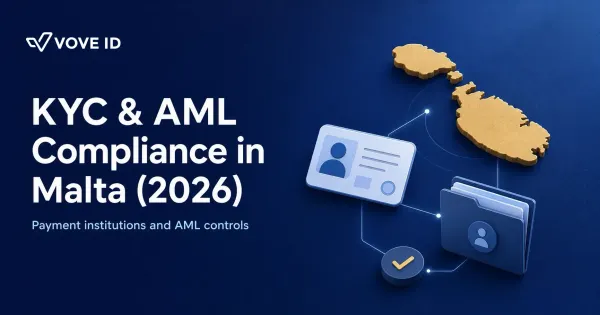
AML
A Malta account can look fully onboarded and still leave the risk decision, evidence, and escalation history unrecoverable.
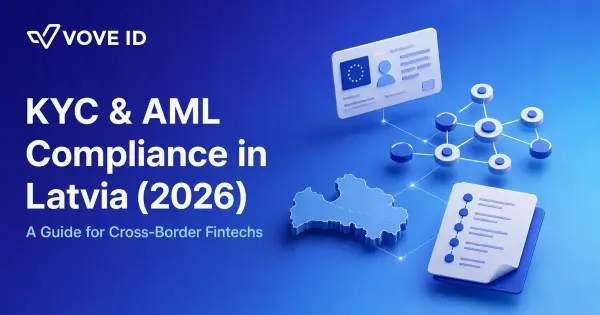
KYB
A technically verified customer isn't the same as an explainable one — here's what Latvian due diligence actually requires to connect.
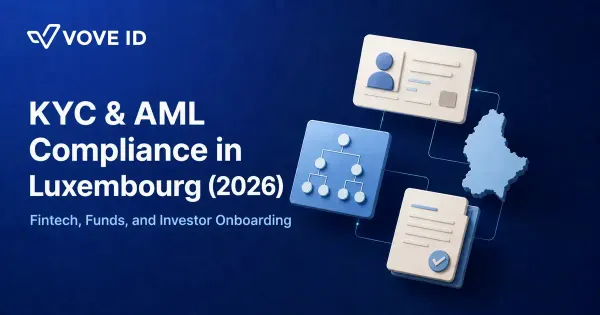
AML
Luxembourg onboarding rarely breaks on a missing document — it breaks when ownership, risk, and approval logic can't be reconstructed later.