
KYC & AML Compliance in Guinea-Bissau: Same Rulebook, Different Reality
Guinea-Bissau shares its AML law with Togo and Côte d'Ivoire. Its enforcement track record looks nothing like theirs.

Guinea-Bissau shares its AML law with Togo and Côte d'Ivoire. Its enforcement track record looks nothing like theirs.
Deleting biometric KYC data on request looks simple until backups and audit logs get involved. Here is the actual decision process
More requests won't fix high-volume KYC. A case-level control loop for demand, retries, and review will.
A hosting label doesn't answer a residency question. Here's the data flow compliance teams need before they can trust it.

An upgrade that passes a happy-path test can still break production. Here's how to version a KYC integration as a controlled change, not a library bump.
A retry isn't automatically safe. Here's how to keep a network timeout from silently opening a second verification case for the same applicant.

A screening hit and an identity check answer different questions. Here is how to design a workflow that connects both without confusing them.
Age verification is the first case in an ongoing risk relationship, not a one-time gate. Here is how GB operators should connect the two.
Coverage is a starting point, not proof a cross-border KYC flow works. Here's how to actually test a provider before you launch.
A vendor feature list isn't a compliance decision. Here's how EU fintechs should actually evaluate an identity-verification provider.
A single accuracy number can look decisive. It rarely explains what your own onboarding flow will actually see.
A rejected case can look like a clean risk outcome. It rarely is. Here's how to actually measure false rejection.
AML
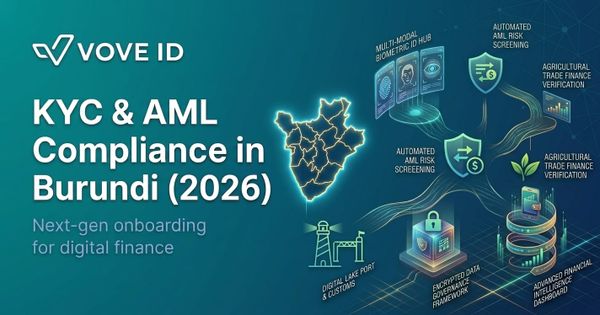
Burundi rewrote its AML/CFT law in 2025 and reorganized its FIU in 2026. Here is what that means for KYC and AML in financial services.

AML
Liberia is rebuilding its AML/CFT program ahead of its next FATF-standard review. Here is what that means for KYC and AML.
AML
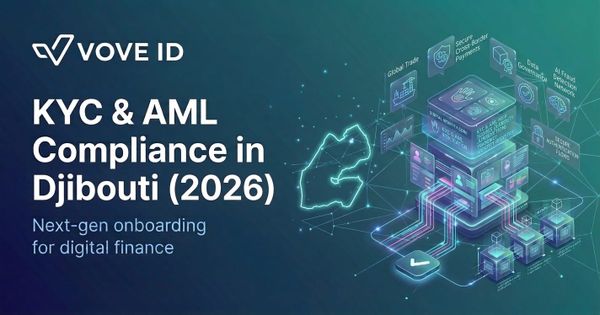
Djibouti runs on trade, not tourism. Here is what its port-and-remittance economy means for KYC and AML in financial services.
AML
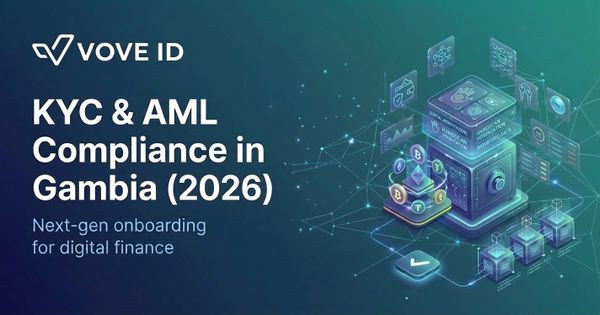
Remittances make up nearly a third of Gambian GDP. Here is what that means for KYC and AML in The Gambia's financial services sector.
AML
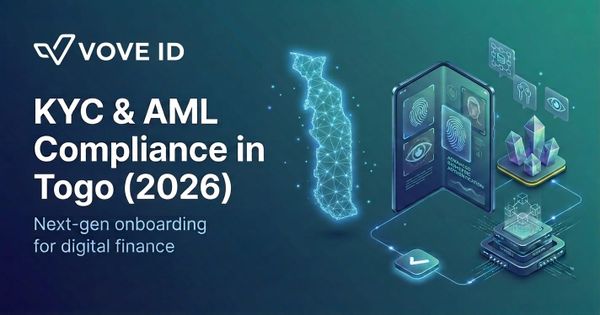
Togo hosts the headquarters of Ecobank, BOAD, and EBID, and just replaced its AML/CFT law. Here is what that means for KYC, KYB, and AML in 2026.
AML
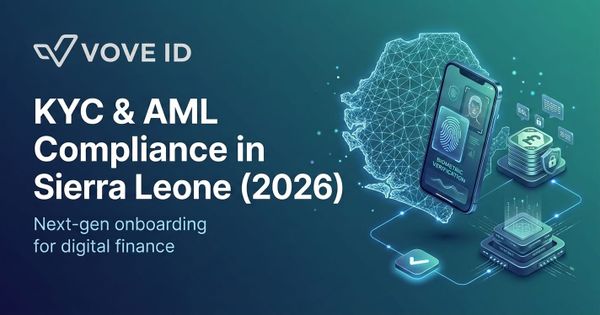
Automated onboarding can pass every check and still fail the case file. Here is how Sierra Leonean fintechs keep the relationship explainable under the 2024 AML/CFT Act.
KYC
A generic coverage list doesn't tell you if your customers' real documents and exception paths work in production. Here's how to test before you sign.
KYC
Use a controlled pilot to test the documents, review paths, and controls your African or MENA launch actually requires.
KYC
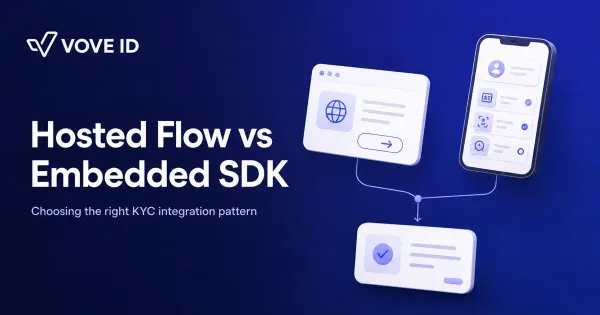
Choosing a KYC integration pattern for its UI is how launches stall. Here's how to pick based on who can actually own the failure states.
KYC
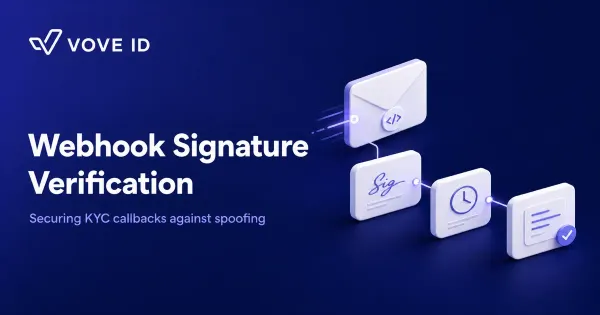
A POST request is not proof of origin. Here's how to verify KYC webhook signatures, block replay attacks, and reconcile against the authoritative record.
KYC
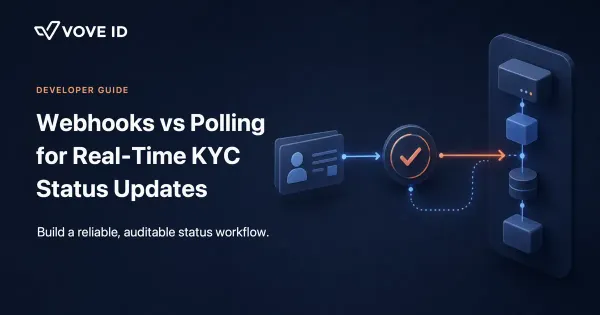
Displaying a KYC result is easy. Getting the backend to reliably record it is the real problem. Here's when to use webhooks vs polling, and why.
KYC
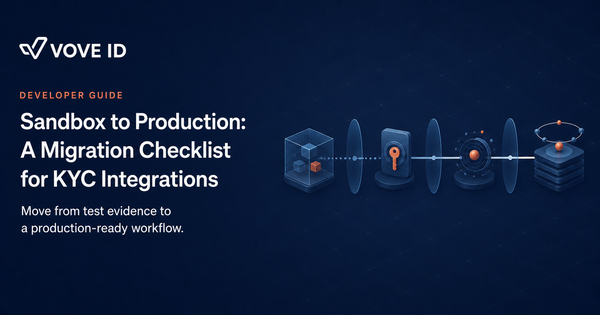
A passing sandbox test doesn't mean production is ready. This checklist covers the credential, webhook, and ownership gaps that actually break launches.