KYC
The Right to Erasure and KYC: Deleting Biometric Data Without Breaking the Audit Trail
Deleting biometric KYC data on request looks simple until backups and audit logs get involved. Here is the actual decision process

Compliance guidance for regulated financial businesses, covering KYC, KYB, AML, risk management, licensing and operational controls.
KYC
Deleting biometric KYC data on request looks simple until backups and audit logs get involved. Here is the actual decision process
KYC
More requests won't fix high-volume KYC. A case-level control loop for demand, retries, and review will.

Fintech
An upgrade that passes a happy-path test can still break production. Here's how to version a KYC integration as a controlled change, not a library bump.
KYC
A retry isn't automatically safe. Here's how to keep a network timeout from silently opening a second verification case for the same applicant.
KYC
A passing sandbox test doesn't mean production is ready. This checklist covers the credential, webhook, and ownership gaps that actually break launches.
KYC
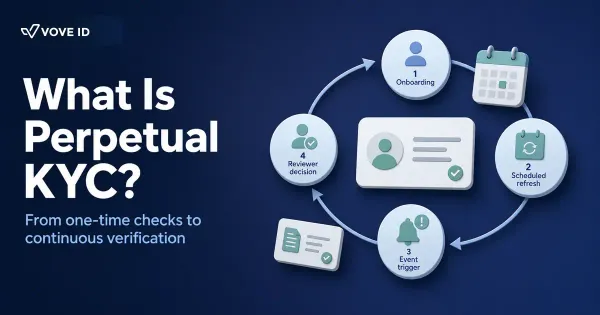
One-time KYC verifies a moment in time. Perpetual KYC keeps that evidence current — here's how scheduled and event-driven reviews actually work.
KYC
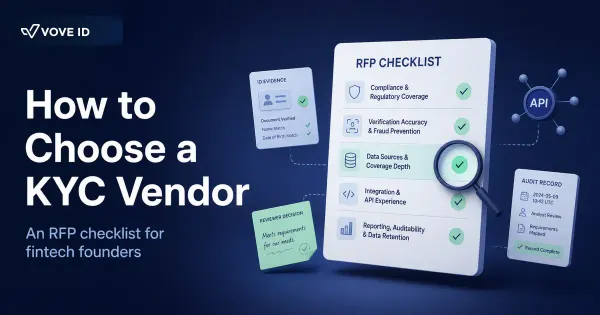
Most KYC vendor selections fail on the exception path, not the demo. This RFP checklist shows founders what to actually ask before signing.
KYC
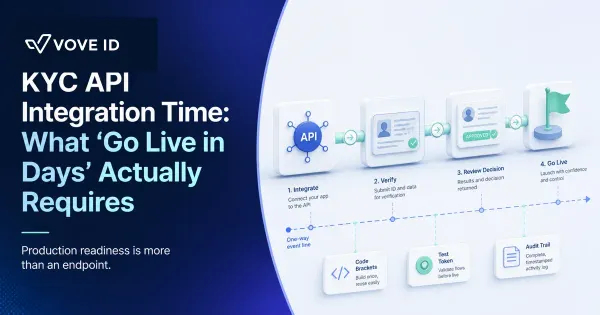
Connecting a KYC API is not the same as being production-ready. Here's the planning work behind a safe go-live, not just an endpoint.
AML
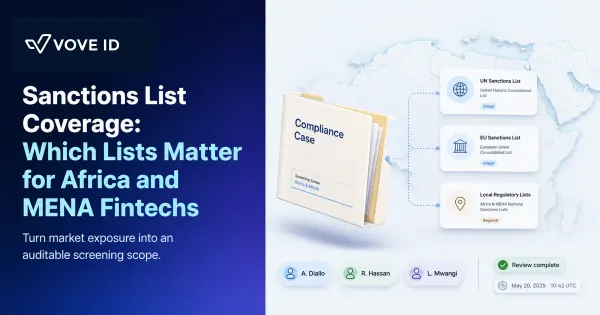
A "global sanctions list" isn't an operating rule — here's how to map exposure and document which official lists actually apply to a relationship.
AML
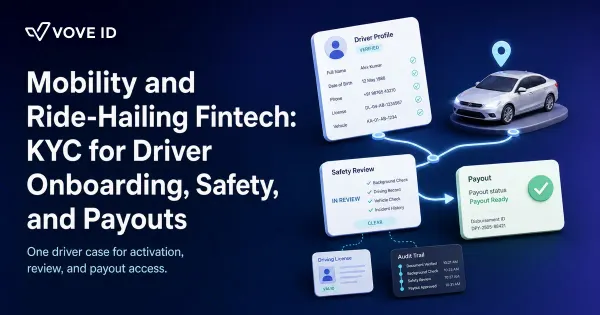
Driver KYC isn't a one-time gate — it's the case record that keeps identity, safety review, and payout access in sync as a driver's account changes state.
Compliance
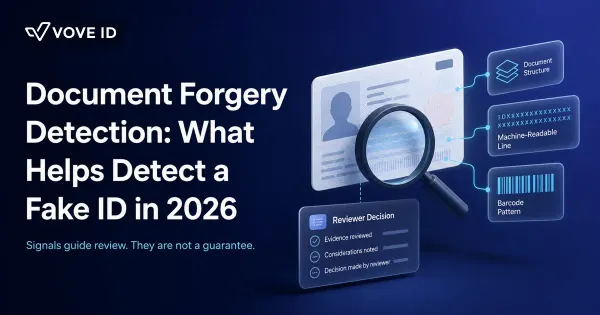
A document check is a signal for a reviewer, not a verdict on a person. Here's what forgery-detection signals actually establish, and what they don't.
AML
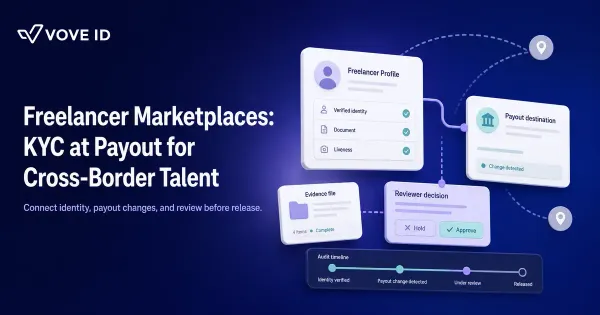
A verified worker isn't a fixed payout destination — here's how marketplaces review a changed payout method before releasing funds on an established account.