AML
NGOs and Humanitarian Remittances: KYC When Standard ID Documents Are Missing
When standard ID is missing, humanitarian teams need a documented, policy-led way to decide what evidence counts — not an unrecorded workaround.

Compliance guidance for regulated financial businesses, covering KYC, KYB, AML, risk management, licensing and operational controls.
AML
When standard ID is missing, humanitarian teams need a documented, policy-led way to decide what evidence counts — not an unrecorded workaround.
AML
Reading about AML standards isn't the hard part — connecting each one to a control, a case owner, and a piece of evidence is. Here's where a compliance team should start.
Compliance
KYC document types are not a dropdown menu — they're evidence choices tied to risk, jurisdiction, and a specific onboarding decision. Here's how to design the policy and workflow around them.
KYC
KYC document types are not a dropdown menu — they're evidence choices tied to risk, jurisdiction, and a specific onboarding decision. Here's how to design the policy and workflow around them.
AML
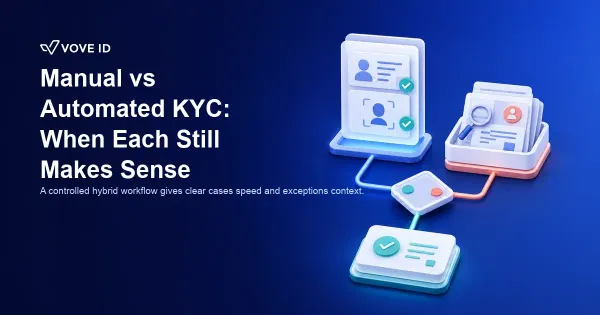
Automation and manual review are not competitors. Here is how to design the hand-off so exceptions never disappear into an inbox.
Fintech
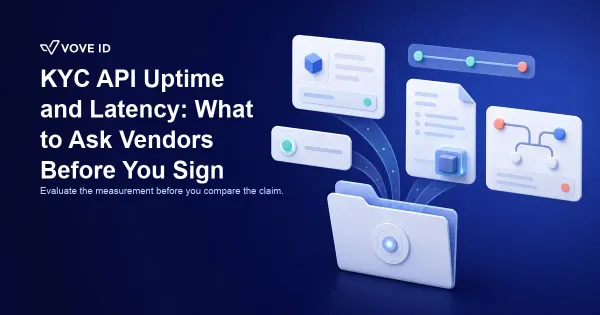
A high uptime number does not tell you if your onboarding flow will behave as expected. Here is what to ask before you sign.
AML
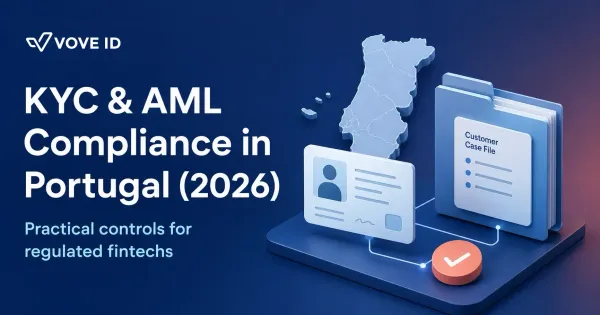
A Portuguese customer can pass onboarding and still leave the relationship, risk logic, and next action unexplained.
AML
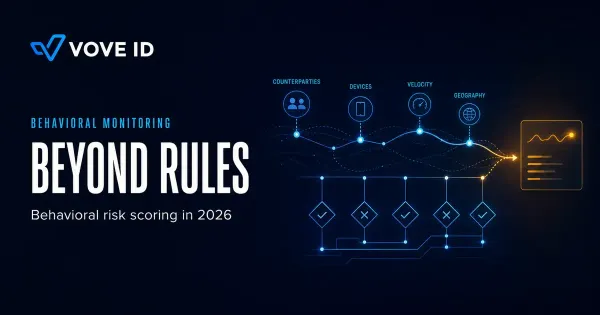
No single event breaks a rule. A behavioral layer sees the pattern the rule set was never built to notice.
AML
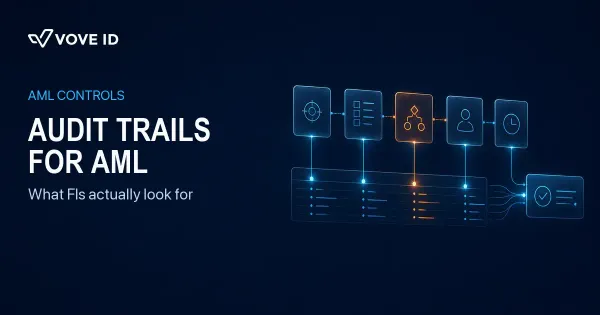
A clean AML policy doesn't survive a partner-bank sample if the case file can't reproduce the decision behind it.
AML
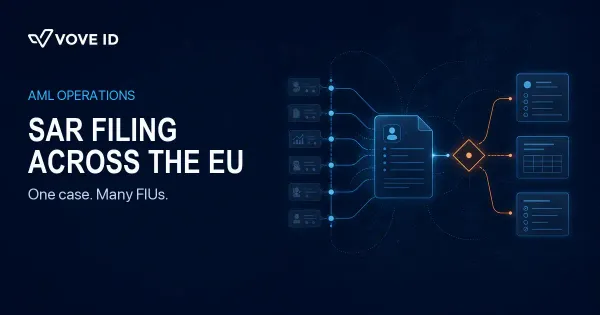
One suspicious pattern crossing several borders doesn't mean identical filings everywhere — it means a documented jurisdiction decision.
AML
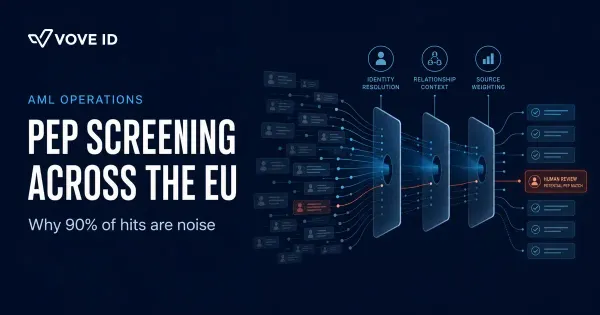
High PEP alert volume is a matching problem, not proof of a risky customer base — here's how to fix it without missing real hits.
AML
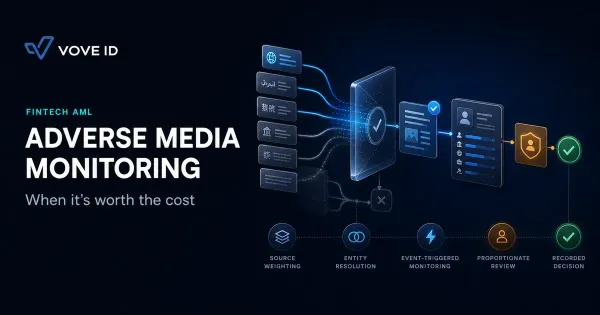
Adverse media isn't a blanket news feed. It earns its cost only at specific trigger points in the customer lifecycle.