AML
Malawi AML in 2026
Malawi never set a minimum amount for filing a suspicious transaction report. That's a design choice, not a gap — here's what it means.

Compliance guidance for regulated financial businesses, covering KYC, KYB, AML, risk management, licensing and operational controls.
AML
Malawi never set a minimum amount for filing a suspicious transaction report. That's a design choice, not a gap — here's what it means.
KYB
Malawi set its beneficial ownership bar at 5%, not the usual 25%. Here's how that changes business verification for fintechs.
KYC
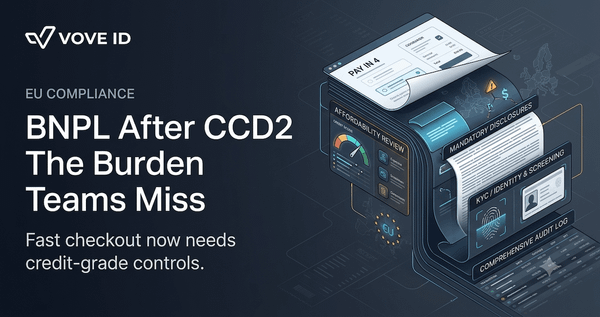
The checkout can stay lightweight after CCD2. The affordability and disclosure evidence behind it cannot.
KYC
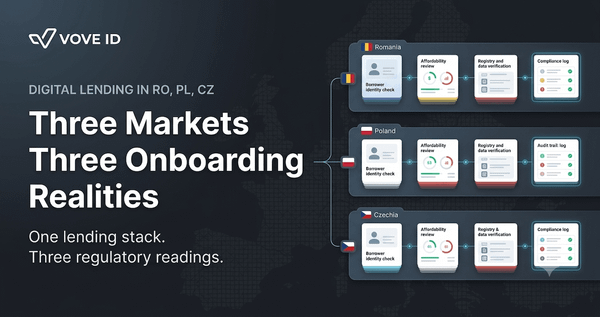
BNR, KNF, and CNB ask the same questions about a borrower in a different order, with different proof.
AML
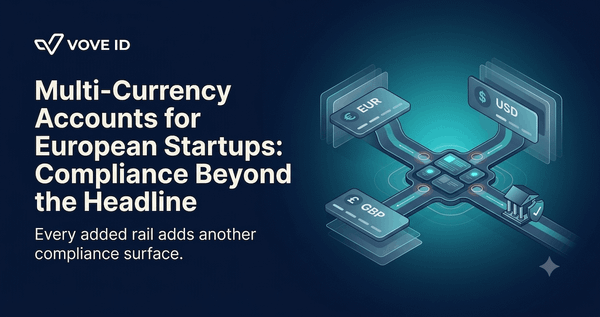
Adding USD or GBP to a EUR account isn't just an FX feature. It's a new corridor your bank partner will start watching.
AML
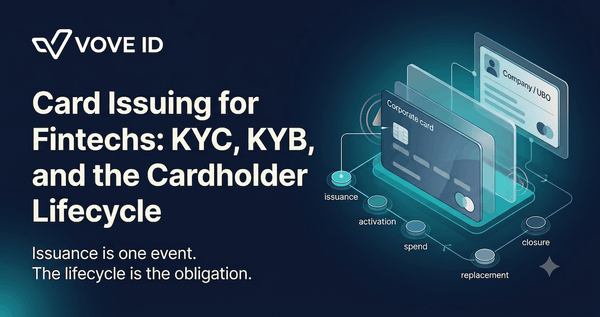
A card is issued once. The compliance obligation behind it does not end there — it follows the cardholder for years.
AML
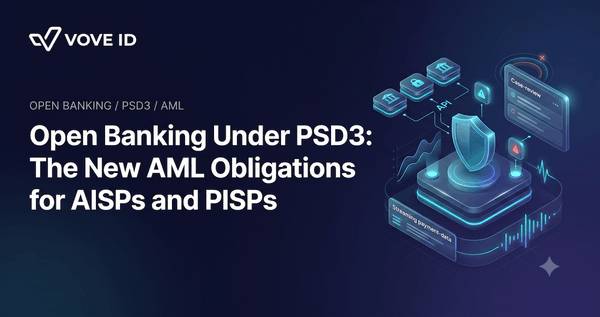
Open banking firms can no longer treat AML as someone else's problem. If your AISP sees suspicious behavior or your PISP triggers payments, you need CDD, monitoring, and escalation paths.
Compliance
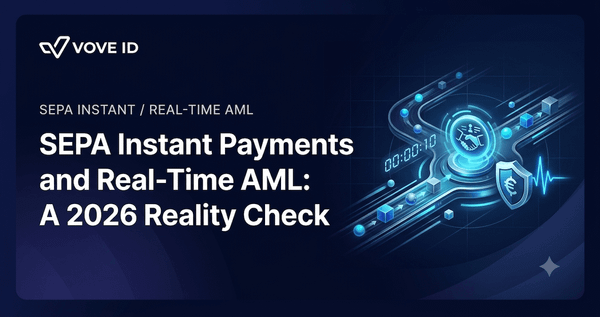
When a SEPA Instant payment settles in 10 seconds, AML controls that used to sit in review queues have to move before release. Here's what that control sequence needs to contain.
AML
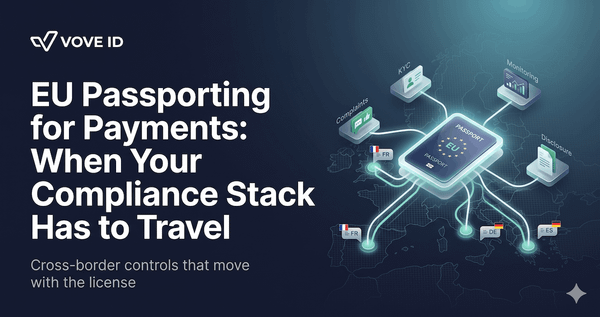
A payment institution can passport into a new EU market in weeks and still fail in practice. The license travels. The disclosures and monitoring thresholds don't, unless you designed them to.
AML
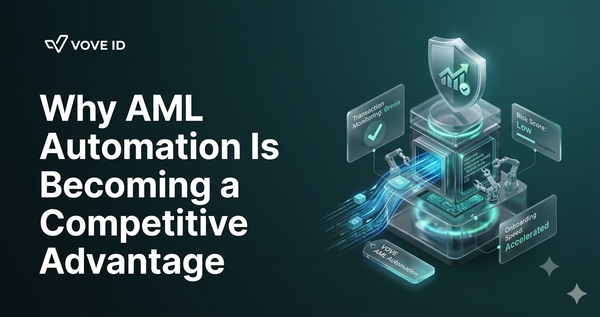
Fintechs that treat AML as a manual process are paying twice — once in compliance costs, again in slower onboarding. Automation is closing that gap.
AML
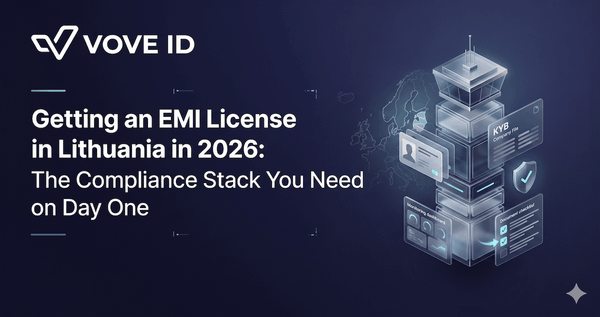
Lithuania can be a fast EMI licensing route — but only when the operating model is ready. The Bank of Lithuania isn't just reading the application. It's testing whether the controls actually work.
Compliance
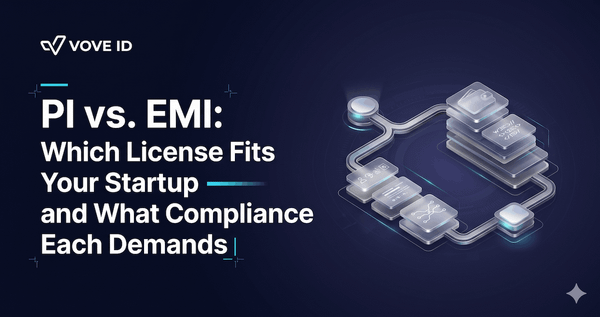
Many founders treat PI vs EMI as a speed question. It's a product question. The license that fits your MVP may not fit the product you're building twelve months from now — and that gap is expensive.